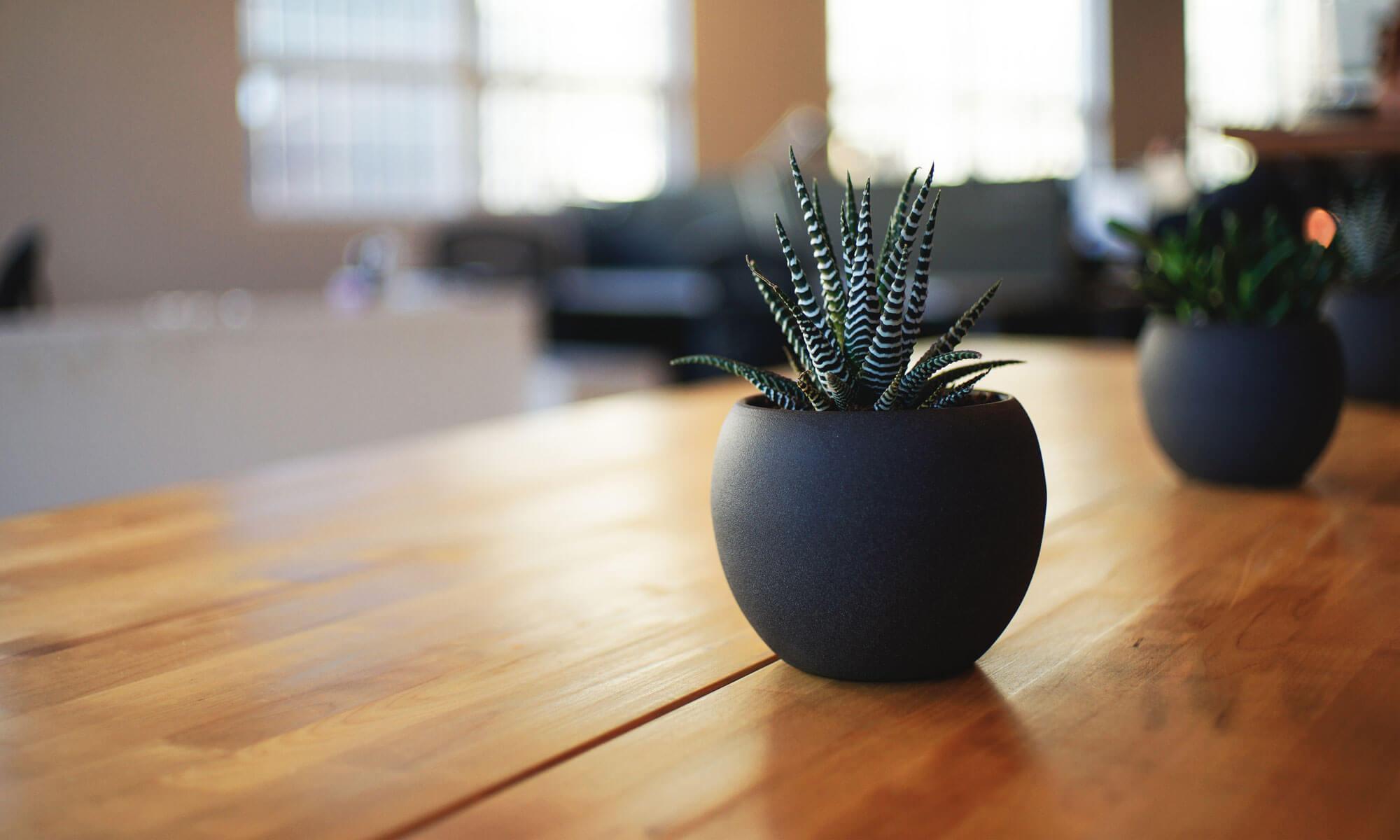
- Genuine ceramics from casoolas.ca elevate everyday dining and home décor experiences
- The Allure of Handcrafted Tableware
- The Impact of Glaze and Texture
- Elevating Home Décor with Ceramic Accents
- Incorporating Ceramics into Different Design Styles
- The Artisanal Process: A Celebration of Skill and Tradition
- From Clay to Creation: Stages of the Ceramic Process
- Sourcing Authentic Ceramics: What to Look For
- The Evolving Landscape of Ceramic Art & Functionality
Genuine ceramics from casoolas.ca elevate everyday dining and home décor experiences
casoolas.ca. For those seeking to imbue their homes and dining experiences with a touch of artistry and authenticity,
The appeal of handmade ceramics extends beyond their visual charm. They bring a warmth and character to any setting that mass-produced items simply cannot replicate. Each slight imperfection is a testament to the human touch, contributing to the object’s unique identity and lending a sense of connection between the maker and the user. Exploring the offerings at
The Allure of Handcrafted Tableware
The dining table is often the centerpiece of a home, a place where families gather, conversations flow, and memories are made. The tableware we choose plays a significant role in shaping the atmosphere of these moments. Handcrafted ceramics, unlike their uniform, machine-made counterparts, possess a quality that elevates the dining experience. The subtle variations in shape, glaze, and texture add visual interest and a sense of individuality to each setting. A beautifully crafted bowl or plate doesn't simply hold food; it enhances its presentation and invites a more mindful approach to eating. Selecting pieces from a unique collection, like those available through dedicated artisans and purveyors, allows individuals to curate a table setting that reflects their personal style and creates a welcoming ambiance for guests.
The Impact of Glaze and Texture
The artistry of ceramics is heavily influenced by the glaze and texture applied to the clay. A reactive glaze, for example, can create unpredictable and stunning effects, resulting in pieces where no two are exactly alike. The texture, whether smooth and polished or rough and organic, contributes to the tactile experience of using the tableware. Different glazes offer different levels of durability and suitability for various food types, adding a practical consideration to the aesthetic appeal. These details, often overlooked in mass-produced items, are central to the charm and enduring quality of handcrafted ceramics, making each meal feel a bit more special.
| Ceramic Type | Typical Use | Glaze Characteristics | Durability |
|---|---|---|---|
| Earthenware | Serving bowls, decorative items | Porous, often brightly colored | Moderate – prone to chipping |
| Stoneware | Dinner plates, mugs | Durable, less porous than earthenware | High – resistant to wear and tear |
| Porcelain | Fine dining, delicate pieces | Translucent, elegant appearance | Very High – chip-resistant |
| Terracotta | Plant pots, rustic serving dishes | Porous, reddish-brown color | Moderate – requires sealing for food use |
Choosing the right ceramic type can depend on intended use and aesthetic preferences. Understanding these characteristics allows for informed decisions and ensures that each piece receives the care it deserves, maximizing its longevity and beauty.
Elevating Home Décor with Ceramic Accents
Ceramics aren’t limited to the dining table; they are versatile decorative elements that can transform any room in the house. Vases, sculptures, wall hangings, and even simply arranged ceramic objects can add personality, texture, and a touch of artistic flair to any interior. The ability to select unique, handcrafted pieces allows for the creation of a truly personalized living space. Unlike mass-produced décor, these items often carry a story – a connection to the artist and the traditions they represent. This adds depth and meaning to the aesthetic appeal, turning a simple object into a conversation starter and a cherished possession.
Incorporating Ceramics into Different Design Styles
The beauty of ceramic décor lies in its adaptability. Whether your style is minimalist, bohemian, rustic, or modern, there are ceramic pieces that will complement your aesthetic. Neutral-toned ceramics work beautifully in minimalist spaces, providing a subtle touch of texture and warmth. Boldly colored and patterned pieces can inject vibrancy into a bohemian setting. Rough-hewn terracotta pots and vases lend a rustic charm to farmhouse-style homes. And sleek, contemporary ceramic sculptures can add a sophisticated edge to modern interiors. The key is to choose pieces that resonate with your personal style and complement the existing elements of your décor.
- Minimalist Spaces: Opt for neutral tones and simple shapes.
- Bohemian Interiors: Embrace vibrant colors and eclectic patterns.
- Rustic Farmhouse Décor: Incorporate terracotta and earthy textures.
- Modern Living Rooms: Choose sleek, sculptural ceramic pieces.
- Coastal Homes: Utilize ceramics in blues, greens, and sandy hues.
Understanding how different ceramic styles can blend with various design aesthetics simplifies the process of creating a cohesive and visually appealing home environment.
The Artisanal Process: A Celebration of Skill and Tradition
The creation of handmade ceramics is a time-honored process that requires skill, patience, and a deep understanding of materials. From the initial shaping of the clay on the potter’s wheel to the meticulous application of glaze and the intense firing process, each step demands precision and attention to detail. Unlike mass production, which prioritizes efficiency and uniformity, artisanal ceramics celebrate the unique qualities of each piece. The slight imperfections, the subtle variations in shape and color, are not flaws, but rather hallmarks of the handcrafting process – evidence of the potter’s skill and the inherent beauty of natural materials. Supporting artisans who practice this ancient craft helps preserve cultural heritage and fosters a more sustainable approach to production.
From Clay to Creation: Stages of the Ceramic Process
The ceramic process typically involves several key stages, beginning with the preparation of the clay. This involves wedging to remove air bubbles and achieve a consistent texture. Next, the clay is shaped using techniques like wheel throwing, hand-building, or molding. Once the piece is formed, it is allowed to dry slowly to prevent cracking. After the initial drying phase, the piece is bisque fired, which hardens the clay and prepares it for glazing. Finally, the glaze is applied, and the piece is fired again at a higher temperature, fusing the glaze to the clay and creating a durable, waterproof surface. Each stage requires careful control and expertise, showcasing the dedication and artistry of the ceramic maker.
- Clay Preparation (Wedging)
- Shaping (Wheel Throwing, Hand-Building)
- Drying (Slow and Even)
- Bisque Firing (First Firing)
- Glazing (Application of Decorative Coating)
- Glaze Firing (Second, Higher Temperature Firing)
A deeper appreciation of the journey of a ceramic piece – from raw clay to finished product – adds considerable value to the item and acknowledges the skill of the artisan.
Sourcing Authentic Ceramics: What to Look For
In a market flooded with mass-produced imitations, finding genuine, handcrafted ceramics requires a discerning eye and a commitment to supporting authentic artistry. When selecting ceramic pieces, consider the materials used, the quality of the craftsmanship, and the story behind the work. Look for pieces that are clearly handmade, with subtle variations in shape, size, and color. Inquire about the origin of the ceramics and the techniques used in their creation. Prioritize pieces made from high-quality materials, such as stoneware or porcelain, which are known for their durability and longevity. Also, consider the ethical and sustainable practices of the seller; supporting businesses that prioritize fair wages and environmentally responsible production methods is a responsible consumer choice.
Authentic ceramics often carry a unique energy and character that sets them apart from mass-produced items. They are more than just objects; they are expressions of artistry, cultural heritage, and the human connection to materials. Investing in genuine ceramics is an investment in quality, sustainability, and the preservation of traditional crafts. Websites like
The Evolving Landscape of Ceramic Art & Functionality
Contemporary ceramic art is experiencing a dynamic resurgence, pushing the boundaries of traditional techniques and exploring new artistic expressions. Artists are increasingly experimenting with unconventional materials, innovative firing methods, and collaborative approaches, blurring the line between functional objects and sculptural art. This renewed interest in ceramics reflects a broader cultural shift towards appreciating handmade goods and embracing a more mindful approach to consumption. The increased focus on sustainability and ethical production further fuels the demand for locally sourced, handcrafted ceramics. This trend isn’t simply about aesthetics; it’s about supporting a creative industry that values craftsmanship, innovation, and social responsibility.
The future of ceramics promises even more exciting developments, as artists continue to explore the endless possibilities of clay and glaze. From regenerative clay practices to digital design integrated with traditional wheel throwing, the field is ripe with potential for innovation. The ability of ceramics to seamlessly blend functionality with artistic expression ensures its enduring appeal and continued relevance in the ever-evolving landscape of design and contemporary art. Finding platforms that champion these emerging trends, similar to the curated collections offered by sites dedicated to quality ceramics, will be key to continuing this momentum.